
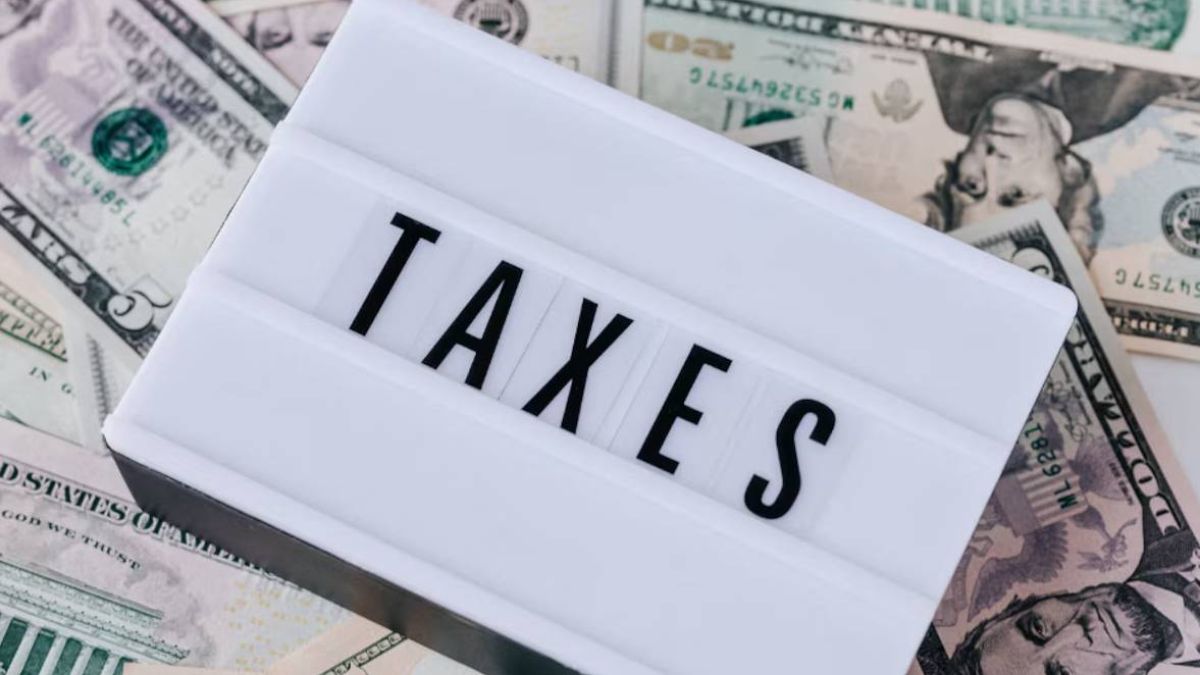
Taxes are mandatory payments made by individuals and businesses to the government. These funds are used to support public services such as infrastructure, healthcare, education, and national development.
Why Are Taxes Important?
Taxes play a vital role in the economy. They help:
-
Fund public services and development
-
Support social welfare programs
-
Maintain law and order
-
Promote economic growth
Paying taxes responsibly also helps you stay legally compliant and financially organized.
Types of Taxes
1. Direct Taxes
Direct taxes are paid directly by individuals or organizations to the government.
Examples include:
-
Income Tax
-
Corporate Tax
2. Indirect Taxes
Indirect taxes are collected on goods and services and paid indirectly by consumers.
Examples include:
-
Goods and Services Tax (GST)
-
Sales Tax
What Is Income Tax?
Income tax is a tax levied on the income earned by individuals and businesses. The amount of tax payable depends on income level, tax slab, and applicable deductions.
Tax Planning
Tax planning involves managing your finances in a legal way to reduce your tax liability. It helps you save money while staying compliant with tax laws.
Common Tax-Saving Options:
-
Investments under tax-saving schemes
-
Insurance premiums
-
Retirement contributions
-
Education and home loan benefits
Benefits of Tax Planning
-
Reduces tax burden
-
Improves financial discipline
-
Encourages savings and investments
-
Helps achieve long-term financial goals
Tax Deductions & Exemptions
Tax deductions and exemptions lower your taxable income. They include:
-
Investment-related deductions
-
Health insurance benefits
-
Education-related benefits
-
Home loan interest exemptions
Understanding these can help maximize tax savings.
Tax Filing
Tax filing is the process of submitting income details to the tax authorities annually. Timely tax filing:
-
Avoids penalties
-
Ensures legal compliance
-
Helps claim refunds
-
Builds financial credibility
Common Tax Mistakes to Avoid
-
Missing tax filing deadlines
-
Not reporting all income sources
-
Ignoring tax-saving opportunities
-
Poor financial documentation
Conclusion
Taxes are an essential part of financial responsibility. With proper tax planning, understanding deductions, and timely filing, you can reduce your tax burden and manage your finances efficiently. Staying informed about tax rules helps you save money and remain compliant with the law.
Comments